
ISC2 2025 – Upskilling Is Your Best Corporate Defense
The 2025 ISC2 study shows that the skills gap already outweighs staff shortages. Learn why strengthening your internal team is the smartest strategy for security and talent retention in 2026.

ISC2 Cybersecurity Workforce Study 2025
Analysis and Insights
The game has changed — skills matter more than headcount
In recent years, the common mantra in cybersecurity was “we need to hire more people”. The 2025 ISC2 Cybersecurity Workforce Study signals a different priority for CISOs and executives: the real risk is less about open positions and more about the lack of critical skills in the people already on the team.
The newly published ISC2 report points to a paradigm shift. In an economic scenario where budgets are tighter and external hiring has become more selective (or frozen), upskilling the internal team has stopped being a “bonus” and become a survival strategy.
Aqui na GoHacking, analisamos os dados do estudo e separamos os principais motivos pelos quais investir na educação da sua equipe é o melhor ROI (Retorno sobre Investimento) que sua empresa pode ter agora.
Source: insights and data from the 2025 ISC2 Cybersecurity Workforce Study.
1. The Skills Deficit Is the New Major Risk
For the first time, professionals heard by ISC2 prioritized the need for critical skills over the need for more hires. The study shows that budget cuts and hiring freezes have stabilized, but the lack of technical knowledge inside teams has increased exposure to risk.
One alarming data point stands out: 72% of respondents agree that reducing the team or not investing in their skills significantly increases the risk of a data breach.
Investing in advanced technical training is not just about motivating employees; it is about protecting the company. A small, highly skilled and up‑to‑date team is more effective than a large team with obsolete knowledge.
2. Talent Retention: Education as a Benefit
Did you know that lack of growth opportunities is one of the main causes of dissatisfaction and burnout in the field? The 2025 study indicates that cybersecurity professionals are looking for employers that offer clear paths for evolution.
When a company invests in high‑performance courses — such as Pentest, Red Team or Threat Hunting training — it sends a clear message: “we value your career”. This combats churn in a market where the race for senior talent remains fierce. Retaining talent costs far less than replacing it.
3. The Age of AI Demands New Skills
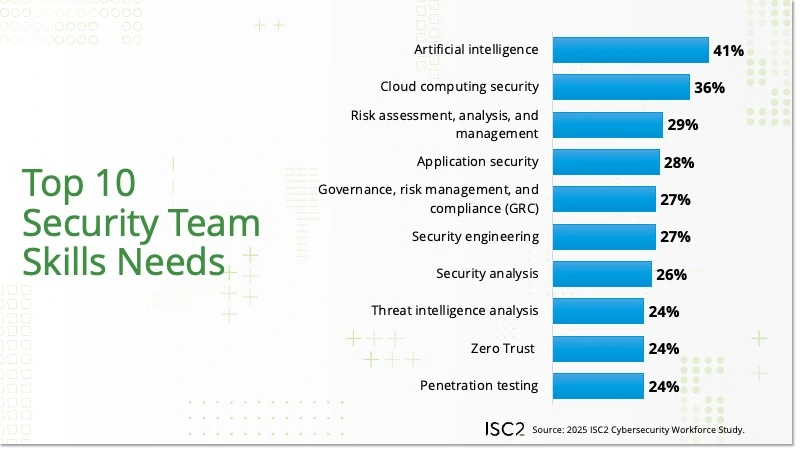
Source: 2025 ISC2 Cybersecurity Workforce Study – Top 10 security team skills needs.
The report highlights that Artificial Intelligence (AI) is redefining both cybercrime and defense. It is not enough to just buy AI tools; you need operators capable of understanding, configuring and auditing these technologies.
The study shows that professionals are optimistic about AI, seeing it as an opportunity to eliminate repetitive tasks and focus on complex strategies. But for that, they need training. Preparing your team to work with AI (and defend against AI‑driven attacks) is an immediate competitive advantage.

Related Training
Artificial Intelligence for Cyber Security Professionals - Fundamental Edition
4. More Efficiency with the Same Headcount
Many companies interviewed in the study stated that they do not have budget for new hires, but still need to deal with growing threats. The solution pointed out by the market itself is multiskilling: training the professionals who are already trusted by the company to take on new responsibilities and master new technologies.
Turning a junior SOC analyst into an Incident Response specialist or teaching offensive techniques to your defense team (Purple Teaming) optimizes your current resources without inflating payroll.
Putting Theory into Practice: The Asper Case
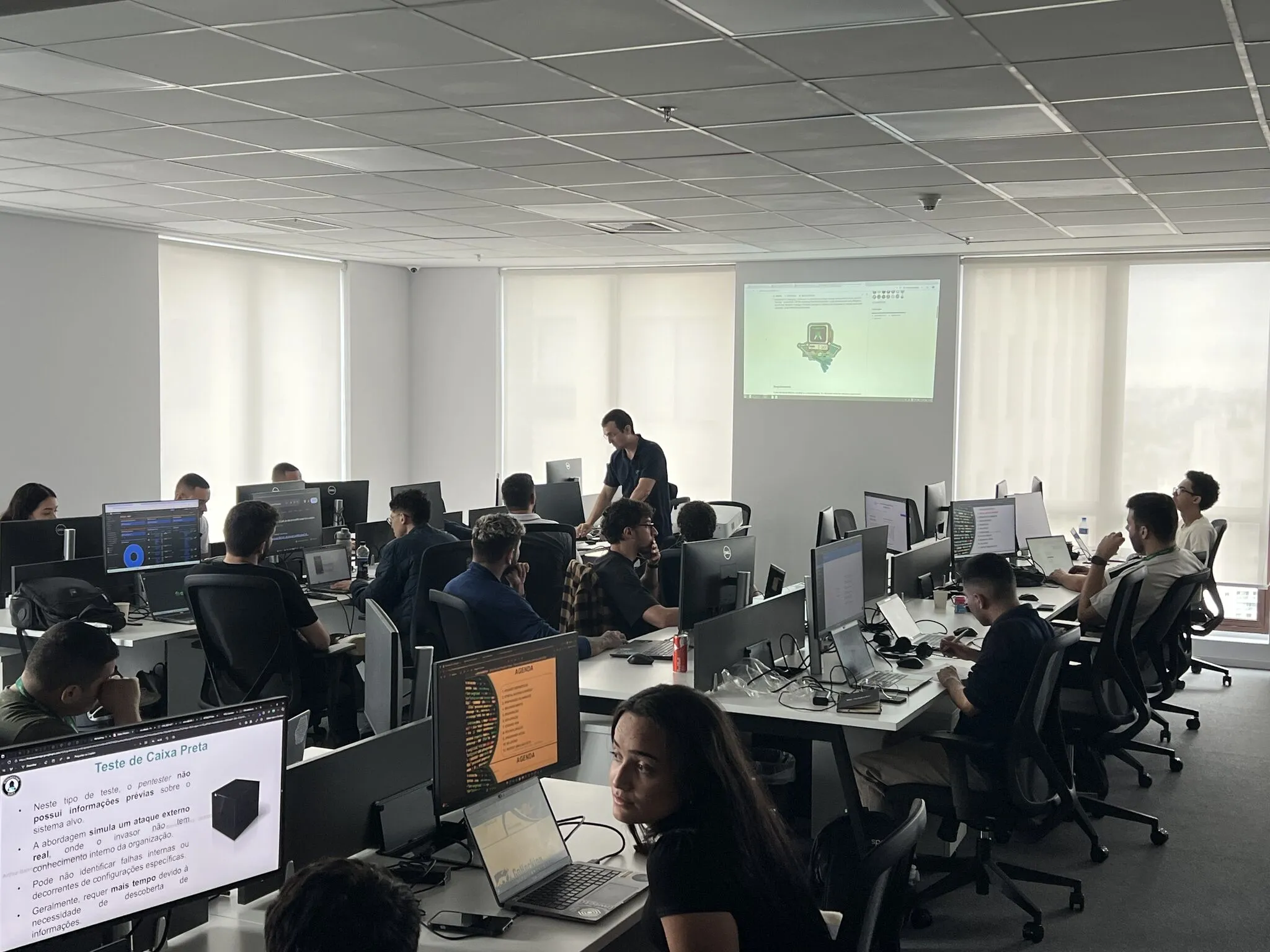
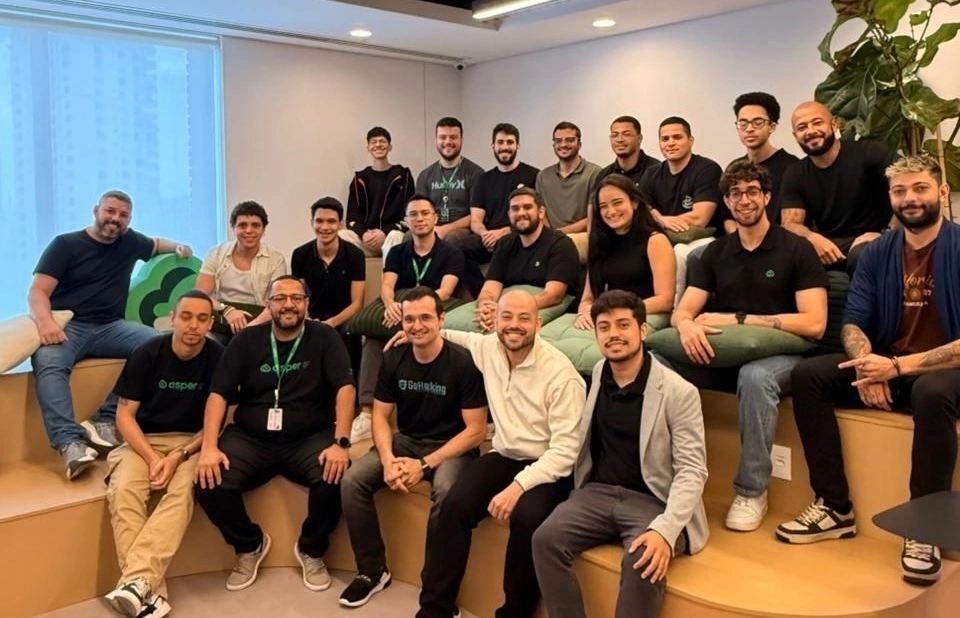
Recently, we put this theory into practice. We conducted an exclusive session of our EHPT (Ethical Hacking Professional Training) course for the team at Asper, one of the leading cybersecurity companies in Brazil. The group’s engagement and the feedback we received reinforced how targeted technical upskilling strengthens both offensive and defensive capabilities and makes professionals more willing to participate and collaborate in security initiatives.
Practical training used in this case
Ethical Hacking & Penetration Testing (EHPT)
Conclusion: Training Is an Investment, Not a Cost
The message from ISC2 for 2026 is clear: the companies that will win the cyber war will not necessarily be the largest, but the most agile and skilled.
At GoHacking, we understand that corporate education needs to be hands‑on and aligned with real threats. Don’t wait for the skills gap to become a security gap.